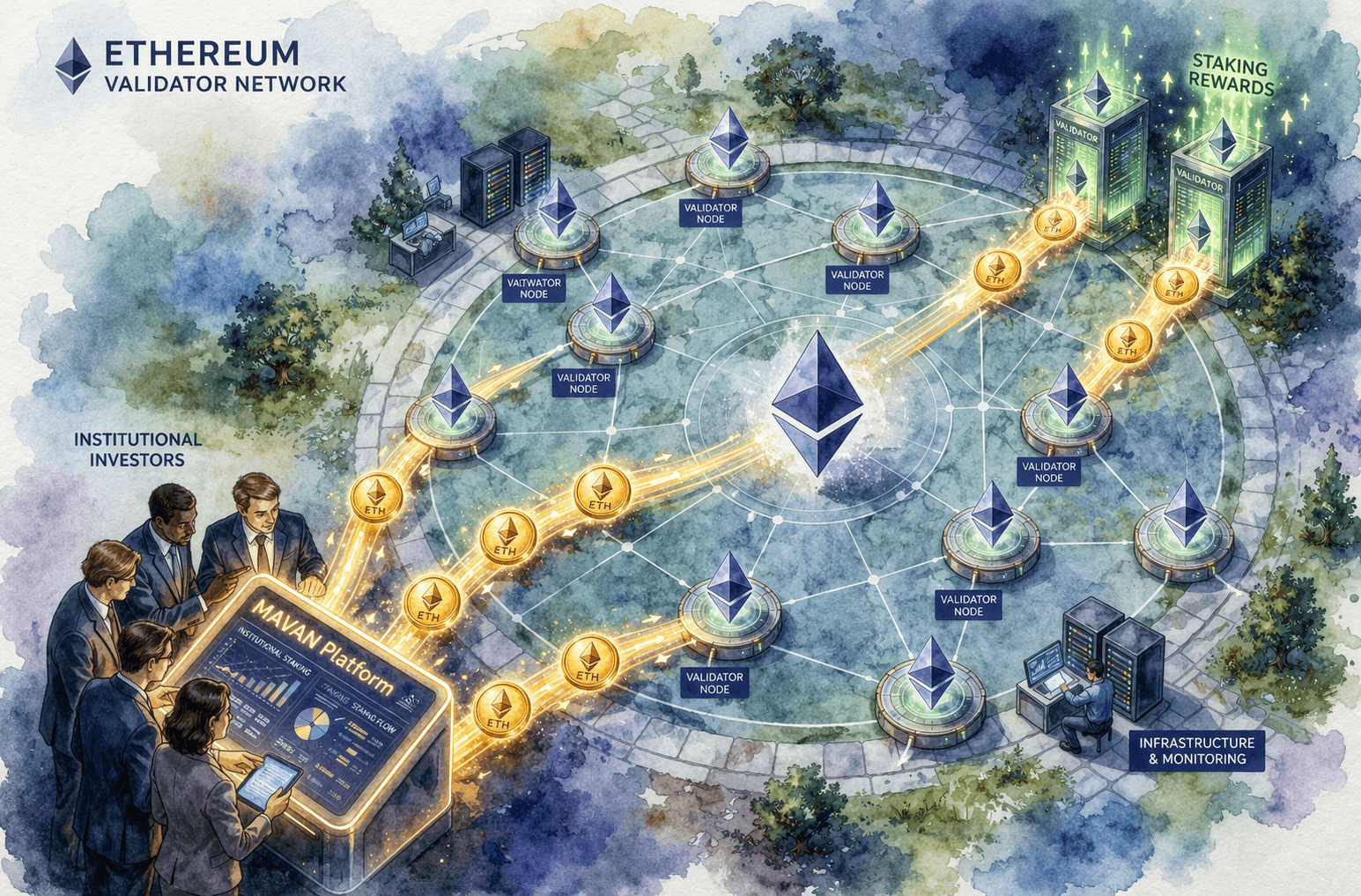
Remember the early days of crypto? It was all cypherpunks and meme coins, a defiant middle finger to the old guard. A fringe movement, they called it. A speculative bubble, they warned. Well, buckle up, because the "fringe" is now squarely in the crosshairs of the global establishment, and they’re not just watching anymore; they're actively elbowing their way in.
This isn't about some hot new altcoin pump or the latest NFT fad. This is about foundational shifts, the kind that make you wonder if those suited bankers who once scoffed are now furiously trying to learn what "halving" means.
Tether's Bitcoin Bet: A New Frontier for Stablecoin Settlement
First up, let's talk about Utexo. A startup, sure, but what they’re doing, and who’s backing them, speaks volumes. They just snagged a cool $7.5 million in a seed round, co-led by none other than Tether itself. And what's their mission? Building Bitcoin-native USDT settlement infrastructure.
Let that sink in for a moment. Tether, the undisputed heavyweight champion of stablecoins, is putting serious money into making its flagship product run natively on Bitcoin. This isn’t just a nice-to-have; it’s a strategic play. It signals a deep understanding that for truly massive, global stablecoin liquidity and settlement, the most secure, decentralized, and time-tested network on the planet is Bitcoin. It’s about efficiency, scale, and a quiet acknowledgement that the very infrastructure they once dismissed now underpins critical financial services.
Nation-States Go Crypto: Pragmatism or Predation?
But wait, there’s more. Beyond the private sector's grudging acceptance, entire nations are now playing their hand, often with a calculating gaze.
Take Kazakhstan. Their central bank is openly earmarking a staggering $350 million of its reserves for direct investment into crypto-related companies and Bitcoin itself. Not some experimental sandbox, mind you, but central bank reserves. That’s a capital-A adoption, a direct vote of confidence, and a clear signal that they see this as a legitimate, strategic asset class, not just internet money. It's a calculated move to diversify, innovate, and perhaps gain an edge in a rapidly shifting global financial order.
Then, there’s Russia, always a wildcard. Their central bank, typically a bastion of conservatism, is now mulling a simplified licensing path for their own banks and brokerage firms to operate crypto exchanges. Call it pragmatism, call it a workaround for sanctions, call it a thinly veiled attempt to control the narrative and flow of capital within their borders. Whatever you call it, it’s not about embracing decentralization; it’s about absorbing a disruptive technology into a pre-existing, centralized framework. The game changes, but the players remain largely the same, just with shinier toys.
New York’s Grudging Nod: The Wild West Gets a Post Office
Closer to home, the gatekeepers of global finance are finally giving ground. New York, a city that often feels like it holds the keys to the entire financial kingdom, just handed Strike its BitLicense and a money transmitter license. For those unfamiliar, Strike, founded by Jack Mallers, has been pushing the boundaries of Bitcoin-based financial services.
This isn’t just another license. New York’s BitLicense is notoriously difficult to acquire, a gauntlet for any crypto company daring to operate in the state. Strike securing both licenses is a huge validation. It means that even in the most tightly regulated corners of the world, Bitcoin’s utility as a financial rail is becoming undeniable. It's the wild west getting a post office, maybe not as thrilling, but certainly a sign of maturity and inevitable mainstream integration.
The Inevitable Tide
These aren't isolated anecdotes. They're pieces of a much larger, messy, and ultimately irreversible puzzle. The institutionalization of crypto is happening, whether the purists like it or not. Central banks are investing, stablecoin giants are building on Bitcoin, and even the most stringent regulators are slowly, reluctantly, opening the floodgates.
The crypto world we dreamt of might be a little different than the one we’re getting – less anarchist utopia, more pragmatic financial evolution. But make no mistake, the world is changing, and the "suits" aren't just watching from the sidelines anymore; they're in the game, and they're playing for keeps.