Alright, let's talk about "institutional demand." The talking heads are buzzing, the market commentators are wringing their hands over another day of negative ETF inflows, proclaiming the sky is falling or that the big money just isn't interested anymore. It's a convenient, if superficial, narrative. But if you've been in this game long enough, you know the real story rarely plays out on a daily chart.
The truth? "Institutional demand" isn't some monolithic beast that only expresses itself through a regulated exchange-traded product. It's a multi-faceted, strategic beast, and its moves are often a slow, deliberate chess match, not a frantic sprint.
The Saylor Playbook: A Masterclass in Conviction
Take MicroStrategy, for instance. Michael Saylor's company isn't just buying Bitcoin; they are a Bitcoin company, practically a publicly traded BTC proxy. The news that they might raise another $300 million through STRC stock sales, potentially funding Bitcoin acquisitions through 2026? That's not mere interest; that's unshakeable conviction, baked right into their corporate balance sheet. It’s a financial engineering marvel, an ongoing masterclass in how a traditional enterprise can leverage its own equity to relentlessly accumulate the hardest asset on the planet. This isn't just "demand"; it's a strategic repositioning of an entire business model.
Nations at the Helm: Geopolitics Meets Digital Gold
Then we have the sovereign players. Kazakhstan, for example, making waves with its central bank eyeing a cool $350 million from its reserves to splash into crypto-related companies and funds. That's not just a speculative punt; it’s a national strategic investment. A sovereign wealth fund putting capital directly into this ecosystem? That signals a deeper recognition of crypto's role in the future global economy, beyond just a hedge against inflation or a shiny new asset class.
And Russia? Their central bank weighing simplified licensing paths for banks and brokerages to run crypto exchanges themselves? That's a fascinating twist. It's less about embracing open, permissionless finance and more about bringing the wild west under state control, integrating it into existing financial leviathans. It’s a geopolitical power play, not some whimsical flirtation with digital assets. These aren't the moves of "weak institutional demand"; these are the calculated maneuvers of nations hedging their bets and shaping their future financial landscapes.
Building the Foundation, Brick by Digital Brick
And what about the picks and shovels, the foundational layers being laid? Utexo just bagged $7.5 million in a seed round, co-led by none other than Tether, to build Bitcoin-native USDT settlement infrastructure. This isn't glamorous. It won't move the daily price needle by much. But it's absolutely critical. It means making stablecoins, the workhorses of the crypto economy, more secure and deeply integrated into Bitcoin's robust network.
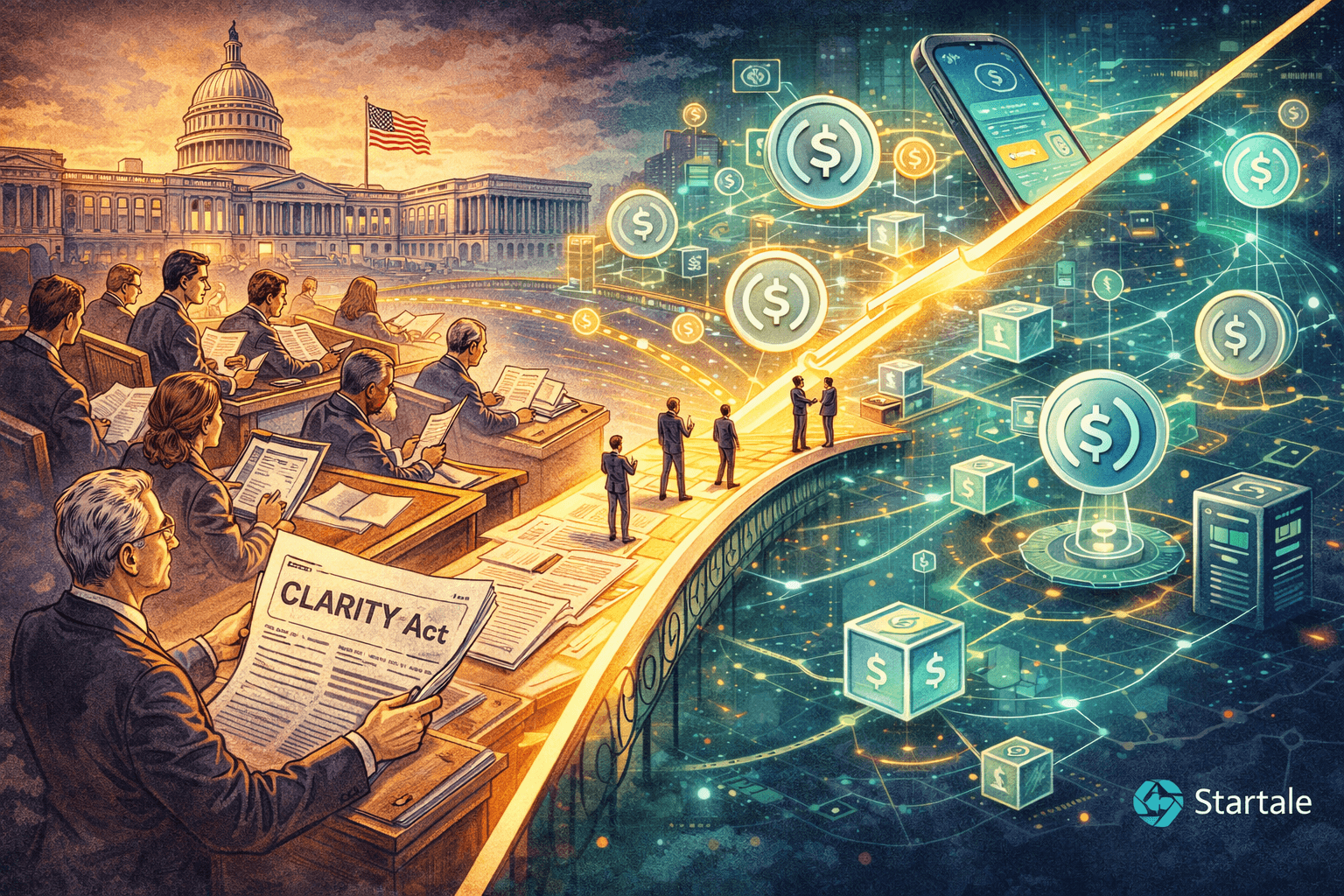
Meanwhile, Strike, led by the ever-vocal Jack Mallers, just secured a BitLicense and a money transmitter license in New York. New York! The financial capital, notorious for its regulatory hurdles. This isn't a small feat. It opens up Bitcoin financial services to a massive, previously underserved market, laying the rails for mainstream adoption one state, one regulation at a time. This is infrastructure, adoption, and regulatory clarity – the slow, grinding work that actually makes the future happen.
Beyond the Noise
So, while the pundits fret over a few days of negative Bitcoin ETF flows, calling it "weak institutional demand," remember what else is happening. Strategic corporate financing, sovereign investment plays, nation-states building their own controlled crypto economies, and crucial infrastructure being laid brick by digital brick.
The real institutional game is quieter, more complex, and frankly, a lot more impactful than whatever the ETF ticker says today. It’s not always about direct buys; it’s about integration, policy, and a deep, systemic shift. Don't let the short-term noise distract you from the long-term tectonic plates grinding beneath the surface. That's where the real story, and the real power, lies.