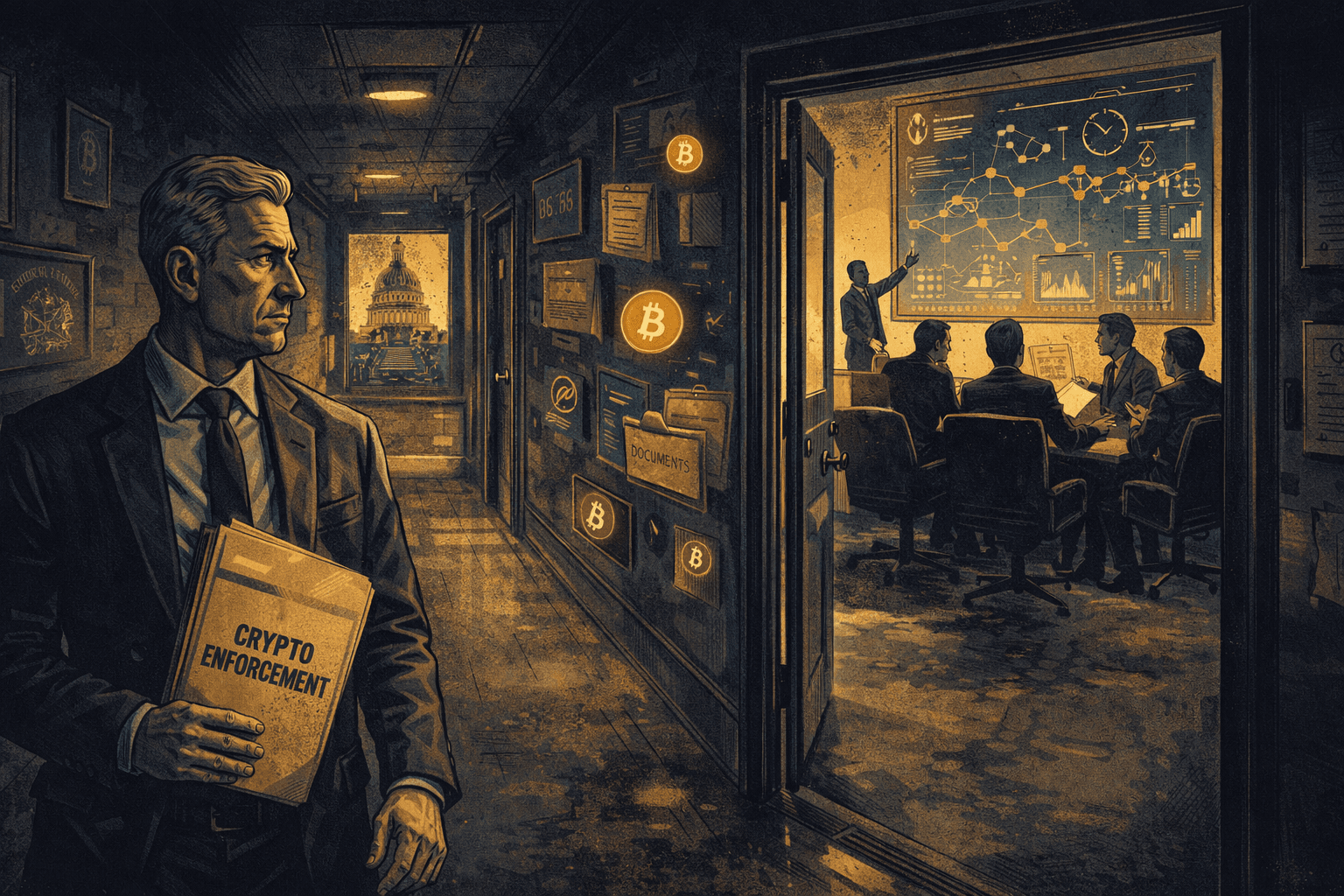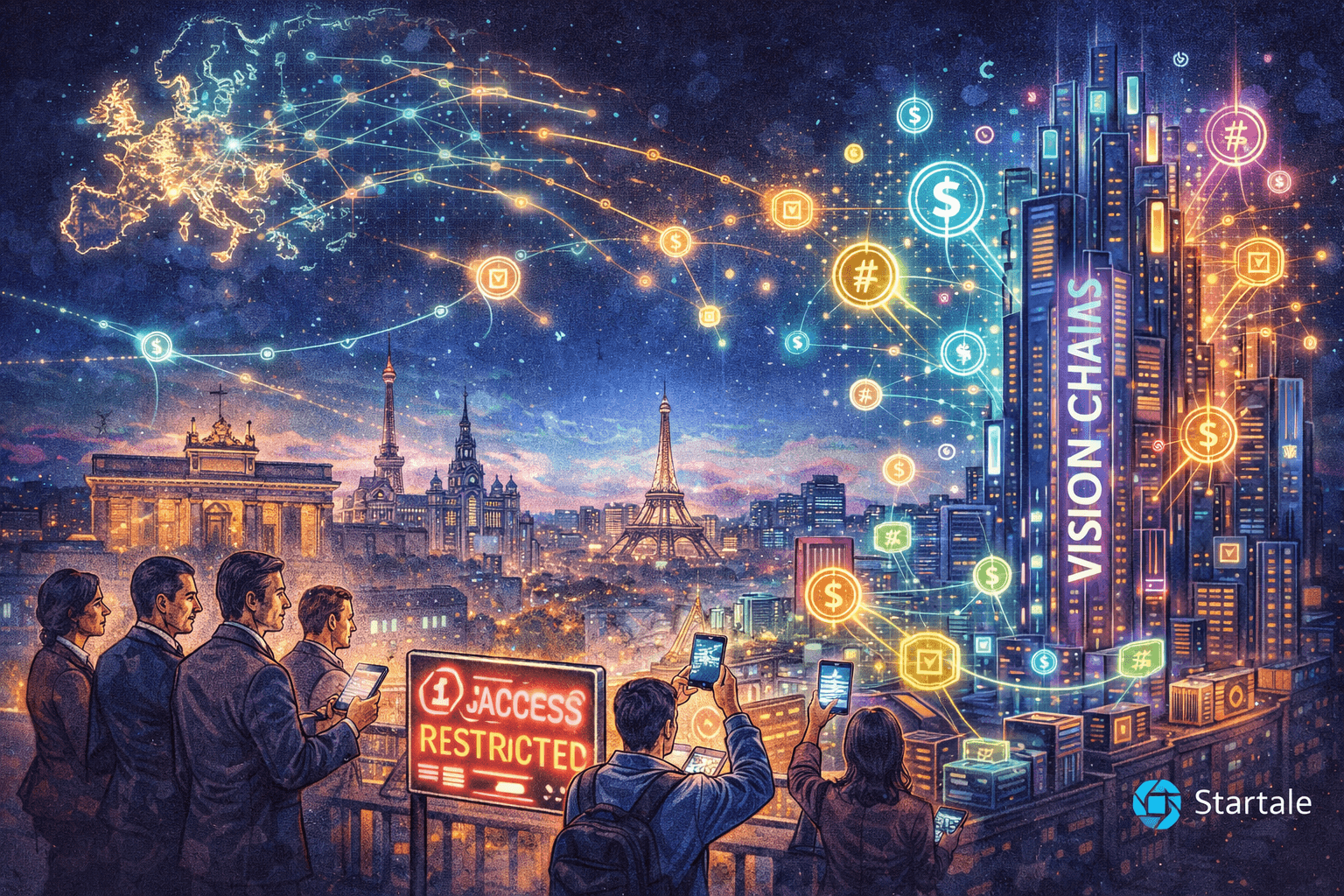
You could almost set your watch to it. Just when you think crypto's settled into its new, slightly less wild adolescence, the heavy hand of traditional power comes knocking. This time, the spotlight’s glaringly bright on Binance, the colossal exchange, thanks to a pointed probe by a US senator regarding alleged sanctions circumvention involving Iran and Russia. It's less a probe, more a predictable escalation in the eternal tug-of-war between crypto's borderless ideals and the cold, hard realities of nation-state control.
Binance, ever the industry's digital Goliath, finds itself navigating a minefield. The allegations? That it facilitated transactions for folks in sanctioned territories, specifically Iran and Russia. Their response, swift and polished, claims rigorous compliance, a keen eye for suspicious activity, and a firm policy against Iranian users. They say they're playing by the rules, building their digital walls high and strong. But in the geopolitical arena, playing by the rules often means playing a game where the rules are constantly rewritten, and the goalposts shift with every new headline.
The Serpent and the Spreadsheet: An Impossible Dance
Think about it: how do you run a global platform, promising access to millions, while simultaneously policing every single digital whisper for compliance with every single nation's ever-changing edicts? It's like trying to catch smoke with a butterfly net. Binance's scale makes it a prime target. When you're the biggest sandbox on the block, every scuffle gets amplified. And when those scuffles involve national security and global sanctions, well, the gloves come off.
This isn't a new dance, mind you. Crypto exchanges have been wrestling with the siren call of decentralization versus the stern gaze of regulators for years. The dream was simple: permissionless finance, uncensored, open to all. The reality? Increasingly centralized entities like Binance become choke points, forced to bend to the will of governments, lest they get snapped in two. The irony isn't lost on any of us who've been around the block a few times. The very architecture designed to bypass traditional finance now finds itself adopting its most restrictive traits.
Beyond Binance: The Ominous Chill
This particular probe isn't just about whether Binance's compliance team needs more coffee or a bigger budget. It's a bellwether for the entire industry. When a senator points a finger at the biggest player, it sends a chill down the spine of every other exchange, every DeFi protocol, every wallet provider hoping to carve out its own piece of the digital frontier. Expect more stringent KYC (Know Your Customer) and AML (Anti-Money Laundering) requirements, more data sharing, and less wiggle room across the board. The era of "move fast and break things" in crypto is rapidly giving way to "move cautiously and please your compliance officer."
What we're witnessing is the slow, grinding process of crypto's integration into the established financial order. It's a messy, often hypocritical affair. Governments want the innovation but not the liberation. They want the tech but not the threat to their monetary monopolies or geopolitical leverage. Binance, for all its size and influence, is merely caught in the crosscurrents of this larger systemic shift. The wild west of crypto is getting fenced in, one regulation, one probe, one senate letter at a time. And frankly, those of us who remember the true spirit of decentralization can only watch, a little weary, a little cynical, as the digital borders harden.