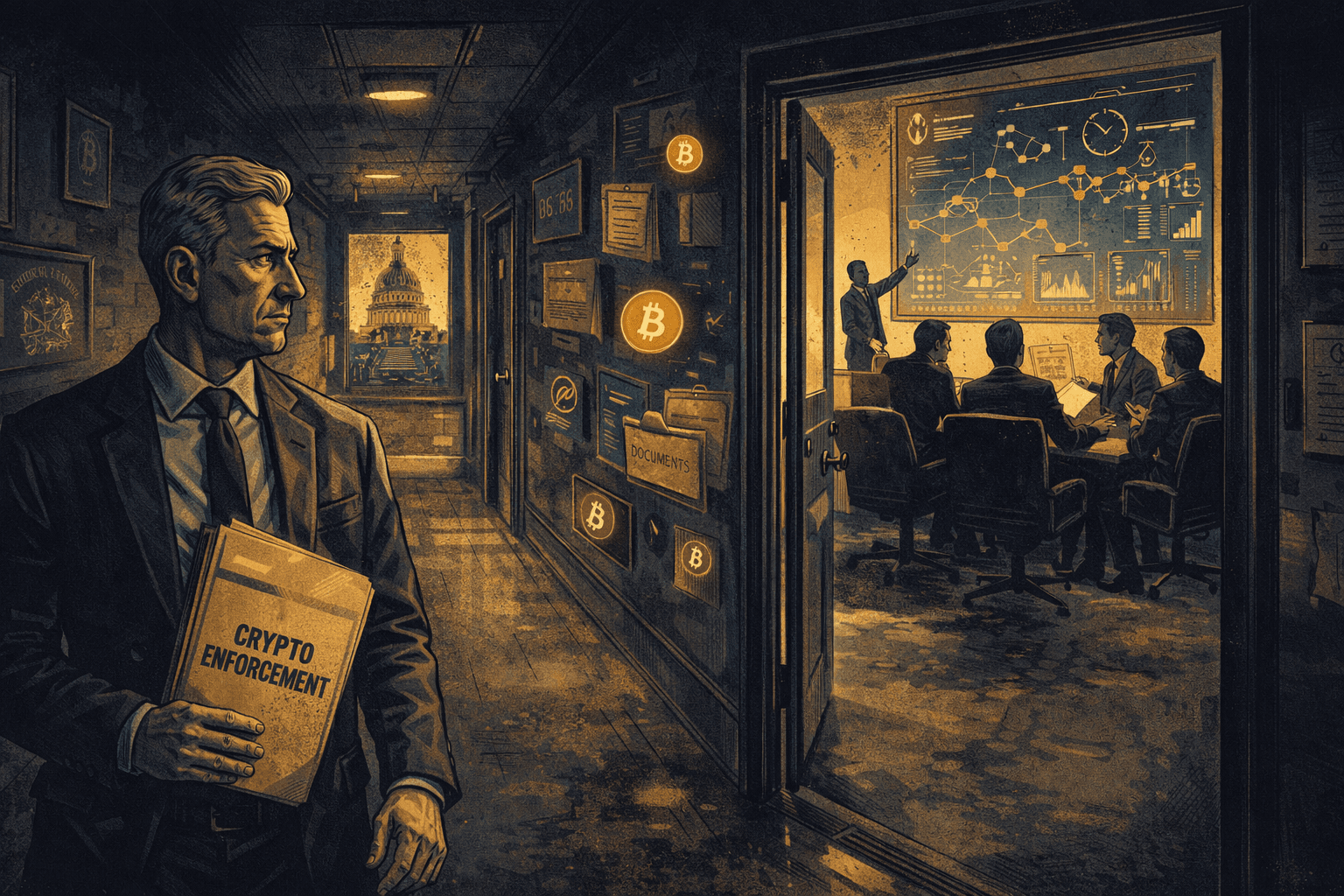
For weeks, the whispers slithered through crypto Twitter, echoing in Telegram groups and Discord channels like a bad omen: The Feds are dumping! They're crashing the market with Samourai's confiscated stash! Every dip, every slight tremor, was met with frantic speculation. Did the Department of Justice just unleash a wave of selling pressure from the roughly 58 Bitcoin they’d wrestled away from the Samourai Wallet saga?
Turns out, the tinfoil hats were a little askew on this one.
A White House advisor, then other U.S. officials, put the kibosh on those rumors faster than you can say "not financial advice." No, they didn't sell. Not a single satoshi. That stash, wrestled from the grip of alleged illicit activity, is just… sitting there. Like a forgotten lunch in the back of the government fridge.
The reason? It’s simple, really, and frankly, a bit bureaucratic. It all boils down to a mandate from President Trump's Executive Order 14233. This order, seemingly crafted for a different era, explicitly states that any Bitcoin obtained through criminal or civil forfeiture "shall not be sold." Poof. Market manipulation worries, at least from this specific lot, evaporated into the digital ether.
So, instead of a dramatic market dump, we’re witnessing the slow, steady, and utterly unintentional birth of what some are calling the United States' "Strategic Bitcoin Reserve." Forget gold bars buried deep in Fort Knox; Uncle Sam is apparently stacking digital gold, one seizure at a time. It’s a curious development, isn’t it? Here we have the same government cracking down on privacy-enhancing tools like Samourai Wallet, only to become an accidental HODLer of the very asset it’s seizing. The irony is thicker than a whale's wallet.
Advocates for the Samourai developers had been screaming that the DOJ was liquidating funds against the president's wishes. That narrative, it seems, just hit a brick wall. The 58 BTC remains firmly on the government’s balance sheet, a digital trophy perhaps, or maybe just a hot potato no one quite knows what to do with.
What does this mean for the future? Well, for starters, it sets a peculiar precedent. Every future crypto forfeiture that falls under this executive order could potentially add to this ever-growing, government-controlled digital piggy bank. Is this a calculated move towards sovereign digital asset holding, or merely a happy accident of policy inertia? My money’s on the latter. Governments, much like massive cargo ships, turn slowly. But turn they do.
So next time you hear the market shifting, don't immediately blame the feds dumping their Samourai haul. They're too busy being accidental HODLers, building a strategic reserve they never explicitly planned, one confiscated Bitcoin at a time. Just another day in crypto’s wild and often bewildering arena.