"Existential threat." When Brian Armstrong, Coinbase's top dog, drops a phrase like that, it's easy to picture boardrooms filled with gray suits, quaking in their loafers. But let's be real, the crypto world has been shouting this from the digital rooftops for years. The real news? TradFi is finally, finally, whispering it back. And honestly, it sounds less like a battle cry and more like a quiet resignation to the inevitable.
This isn't just about banks grudgingly accepting Bitcoin anymore; it’s about a fundamental re-architecture of finance. What we’re witnessing isn't a hostile takeover, but a creeping, symbiotic integration. Traditional finance, once the impenetrable fortress, is now riddled with digital cracks, and rather than shore them up, the old guard is installing neon data streams.
The Suit & Tie Brigade's Digital Pivot
Take UBS, for instance. A Swiss banking behemoth, notorious for its discreet wealth management, is now sniffing around Bitcoin trading for its private clients. Not just any clients, mind you, but the ones with pockets deep enough to warrant a personal financial astrologer. It’s a calculated move, driven by demand, sure, but also by the cold, hard reality that ignoring this asset class is financial suicide. They're not falling in love with decentralization; they're following the money, plain and simple.
Then there’s Nasdaq, stepping up to remove position limits on Bitcoin and Ether ETF options. Treat 'em like any other commodity, they say. Gold, oil, and… digital scarcity? It’s not just a technical tweak; it’s a ceremonial scrubbing of the crypto stigma. This isn't merely about more trading volume; it’s about mainstreaming crypto derivatives, embedding them so deeply into the financial plumbing that they become utterly indistinguishable from the 'safe' stuff. How's that for an existential threat? The threat isn't just competition; it's assimilation.
Crypto's Counter-Punch: Embracing the Old Guard
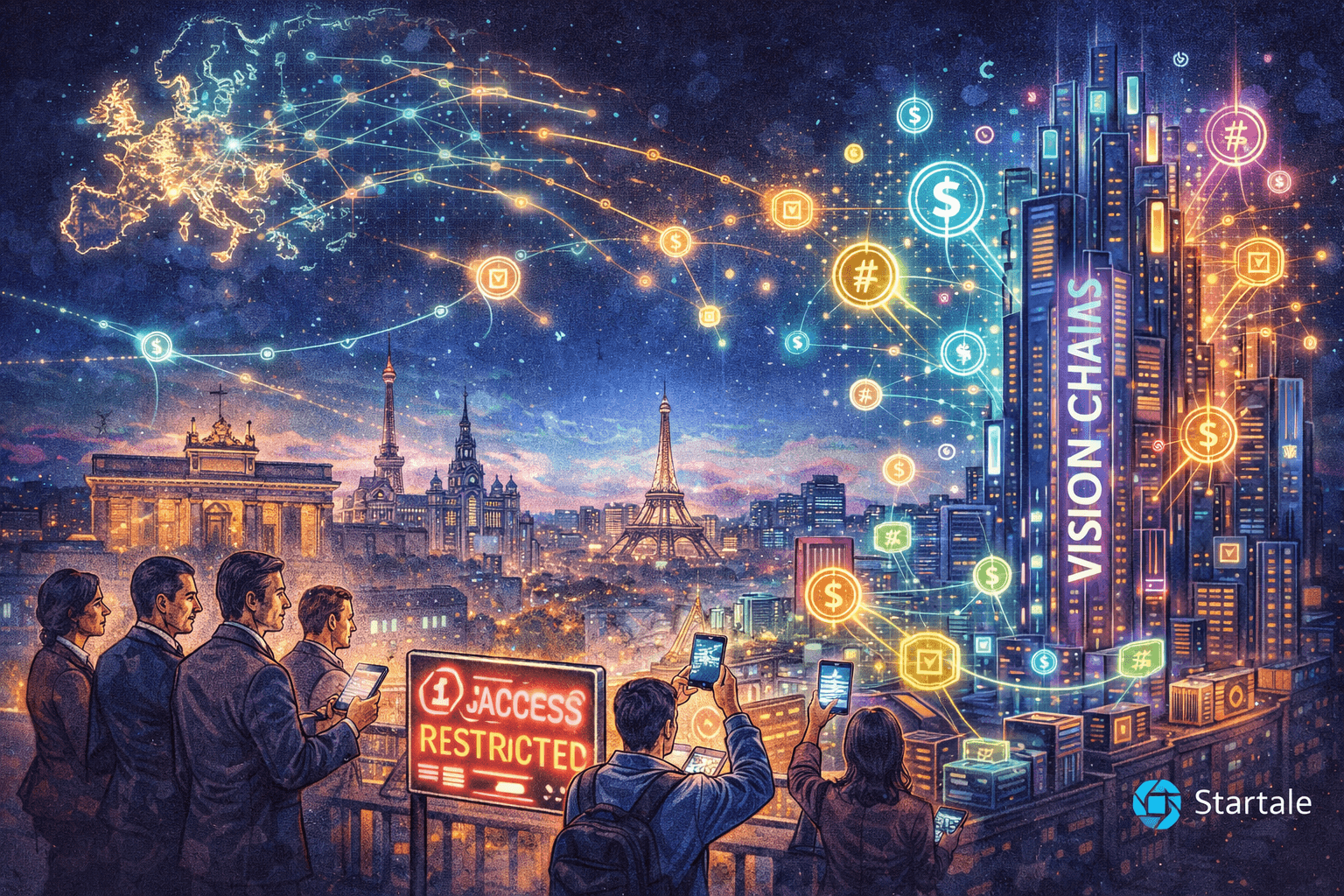
But don't think this is a one-sided affair. Crypto isn't just sitting there, waiting to be absorbed. It’s also making its own power plays, venturing into TradFi territory. Binance and OKX, two of the largest crypto exchanges, are reportedly dusting off plans for tokenized US stocks. Remember when Binance tried this before, then bailed? This time feels different. Why the renewed interest? Stagnant crypto trading volumes and the siren song of traditional finance yields. It's a strategic pivot, a recognition that for all its revolutionary zeal, crypto sometimes needs the stability and liquidity of the old guard. Diversification isn't just a buzzword; it’s a lifeline, even for the disruptors.
This back-and-forth isn't a sign of weakness; it’s the messy, beautiful reality of evolution. Crypto wants the depth of TradFi's liquidity, and TradFi craves crypto's innovation and, let's be honest, its growth potential.
The Dawning of Regulatory Clarity
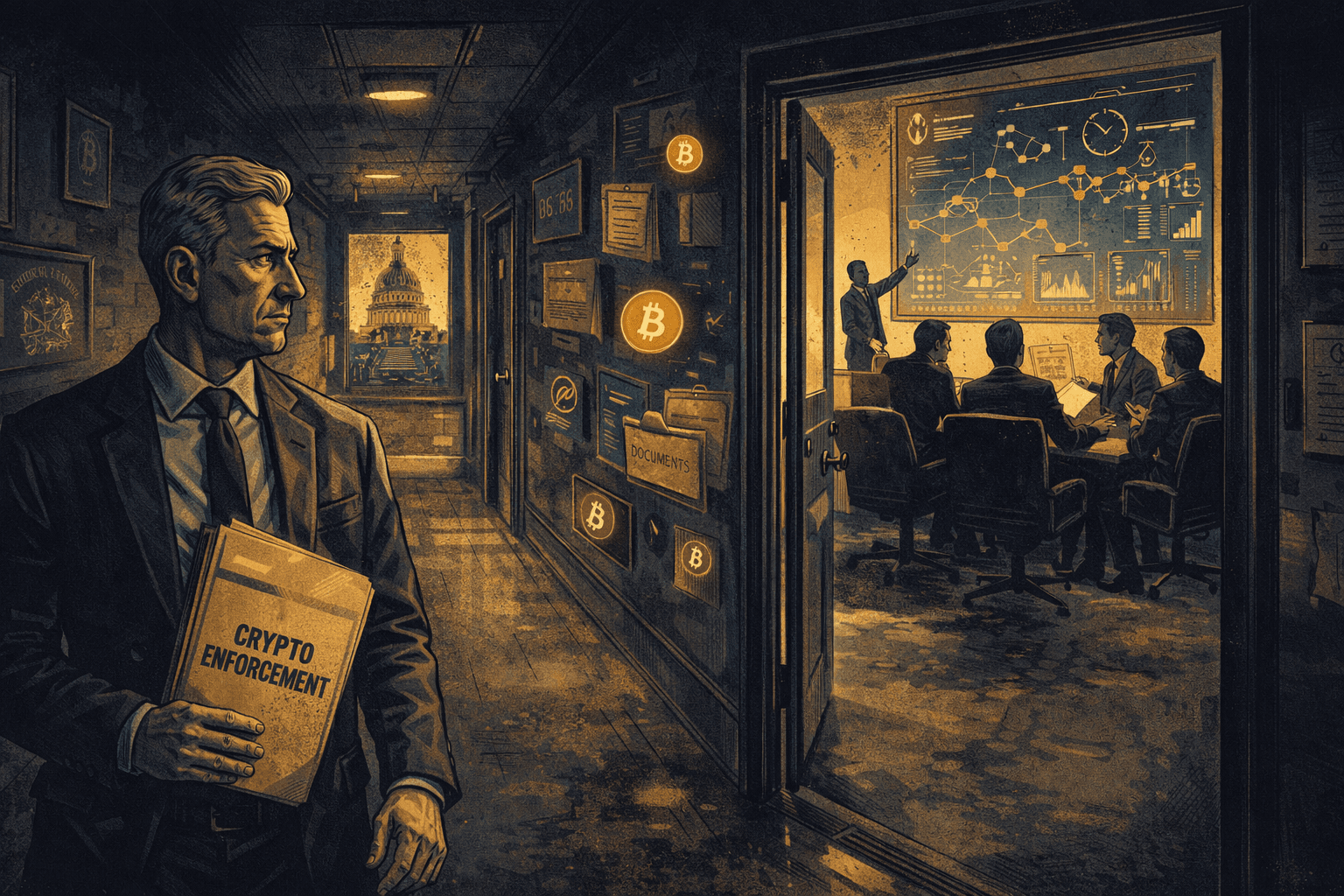
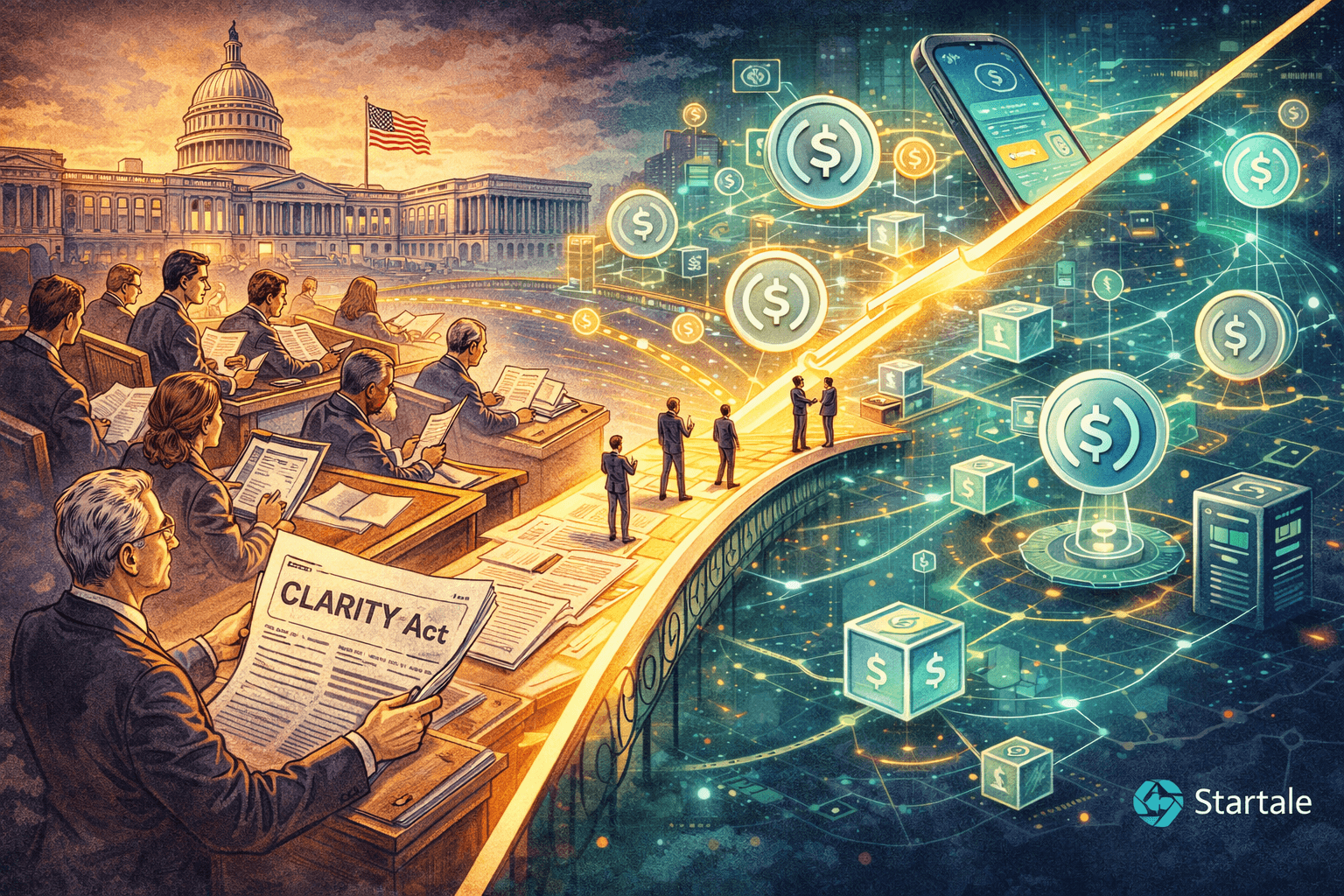
And none of this happens in a vacuum. The regulatory fog, long a suffocating blanket over the crypto space, is finally starting to lift. The SEC's recent dismissal of its civil action against Gemini, following a full restitution to Earn investors, is a significant marker. It’s not a blank check for every crypto venture, certainly not, but it is a sign of clearer boundaries emerging. This isn't just good for Gemini; it's a signal to the entire market: play by the rules, make your customers whole, and there might just be a path forward. That clarity, however incremental, greases the wheels for broader institutional adoption, because nothing spooks big money like legal ambiguity.
So, when Armstrong talks about an "existential threat," he’s not just talking about traditional banks losing market share. He’s talking about their very identity dissolving into a new, hybrid form. The financial world is no longer binary. It’s a spectrum, a fluid, ever-changing beast where the lines between 'traditional' and 'digital' are blurring faster than a bad blockchain transaction. The future isn't one or the other; it’s both, intertwined, for better or worse. And if you're still waiting for the revolution, you missed it. It's already here, quietly humming along, reshaping everything we thought we knew.