US Lawmakers Scrutinize Tokenized Securities
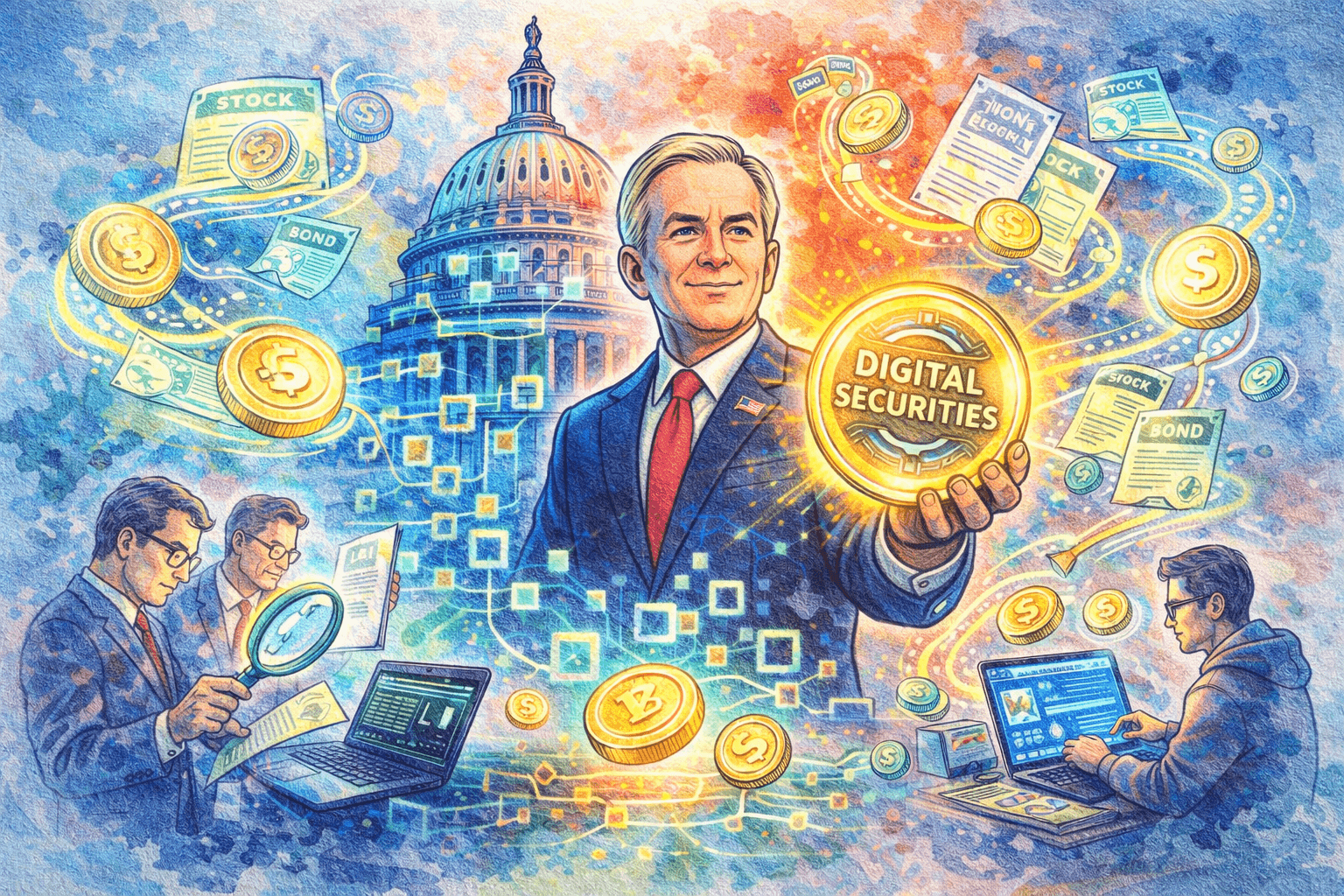
US policymakers are increasingly examining the rapid emergence of tokenized financial assets, with several lawmakers expressing concerns that blockchain-based securities could challenge existing regulatory frameworks.
The debate centers on tokenized securities regulation, as legislators and regulators attempt to determine how traditional securities laws should apply to financial assets represented on blockchain networks.
Tokenized securities are digital representations of traditional financial instruments such as stocks, bonds, or investment funds that exist on distributed ledger systems. While proponents argue that tokenization could modernize financial markets, some policymakers warn that it may also create regulatory gaps.
The discussion reflects broader efforts to shape digital asset regulation US policies as blockchain technology continues expanding into mainstream finance.
What Tokenized Securities Are
Tokenized securities are traditional financial assets converted into blockchain-based tokens that represent ownership rights.
These tokens can represent shares in companies, bonds, real estate interests, or other regulated financial instruments.
Unlike cryptocurrencies such as Bitcoin, tokenized securities typically fall under existing financial laws because they represent real-world investment contracts.
For readers exploring the technical foundations behind this concept, asset tokenization on blockchain networks explains how traditional assets can be represented digitally and traded using distributed ledger systems.
The potential advantages of tokenization include faster settlement times, fractional ownership, and greater accessibility for global investors.
However, these innovations also introduce new regulatory challenges.
Regulatory Questions Facing Lawmakers
US lawmakers are particularly focused on how tokenized assets fit within existing securities laws.
Traditional securities markets operate under strict regulatory frameworks designed to protect investors and ensure market transparency.
These rules require companies issuing securities to register with regulators and disclose financial information to investors.
Understanding how securities are defined under US financial law is essential when evaluating how tokenized versions of these assets should be treated.
If tokenized financial instruments are legally considered securities, they must comply with the same regulatory requirements that govern traditional financial products.
The issue is that blockchain-based assets often operate across decentralized networks that may not easily fit within existing regulatory structures.
Lawmakers Warn of Potential Risks
Several lawmakers have expressed concern that rapid growth in blockchain securities markets could create opportunities for regulatory arbitrage.
Regulatory arbitrage occurs when companies exploit differences between regulatory frameworks to avoid stricter rules.
In the context of tokenized securities, policymakers worry that firms could attempt to bypass traditional financial regulations by issuing assets on blockchain platforms.
Such scenarios could potentially expose investors to risks if proper oversight mechanisms are not in place.
This concern is one reason why regulators have been closely examining developments in tokenization financial markets.
Ensuring that digital securities meet the same standards of transparency and investor protection as traditional securities remains a key objective for policymakers.
Financial Institutions Are Exploring Tokenization
Despite regulatory concerns, many financial institutions are actively exploring tokenization as a way to modernize financial infrastructure.
Banks, asset managers, and fintech firms believe blockchain technology could streamline the settlement of securities transactions and reduce operational costs.
Tokenized assets could also enable fractional ownership of expensive financial instruments, making certain investments more accessible.
A deeper explanation of how blockchain is transforming financial infrastructure illustrates why financial institutions are studying distributed ledger technology as a tool for improving capital markets.
Several pilot programs have already demonstrated how tokenized bonds and securities could be issued and traded on blockchain networks.
These experiments are helping regulators understand how tokenization might integrate with existing financial systems.
Balancing Innovation and Investor Protection
The debate surrounding tokenized securities regulation reflects a broader challenge facing regulators worldwide.
Policymakers must find ways to support financial innovation while maintaining safeguards that protect investors.
Blockchain technology has the potential to significantly reshape financial markets, but regulatory frameworks must evolve alongside these innovations.
Regulators are therefore attempting to balance two priorities:
encouraging technological development in financial markets
ensuring that investor protections remain strong
The outcome of this debate could influence how quickly blockchain securities markets develop in the United States.
Global Competition in Tokenized Finance
The United States is not alone in examining tokenized securities.
Financial regulators around the world are studying how blockchain technology could reshape capital markets.
Several jurisdictions in Europe and Asia have launched pilot programs exploring tokenized bonds and digital securities trading platforms.
These initiatives are part of a global effort to modernize financial market infrastructure.
Countries competing to become leaders in tokenization financial markets may ultimately influence where future blockchain-based capital markets are built.
The pace of regulatory development will therefore play a significant role in determining which regions become hubs for tokenized finance.
The Future of Tokenized Securities
Although tokenized financial instruments remain a relatively new concept, their potential impact on global financial markets is significant.
If properly regulated, tokenization could streamline how assets are issued, traded, and settled.
However, lawmakers emphasize that clear tokenized securities regulation is necessary before the technology can reach large-scale adoption.
The discussions currently taking place in Washington represent an early stage in the process of defining how blockchain-based securities will operate under existing financial laws.
As policymakers, regulators, and financial institutions continue exploring these issues, tokenization may become one of the most important developments shaping the future of capital markets.
Conclusion
The growing debate over tokenized securities regulation highlights the challenges facing policymakers as blockchain technology enters traditional financial markets.
While tokenization offers potential efficiency gains and broader access to investment opportunities, regulators remain cautious about ensuring that investor protections remain intact.
As discussions around digital asset regulation in the US evolve, the regulatory framework for tokenized securities will likely play a crucial role in determining how blockchain-based financial products develop in the coming years.