Loyalty Programs Are Due for an Upgrade
For decades, loyalty programs have been a staple of commerce, from airline miles and retail points to coffee shop stamps and hotel rewards. These systems reward customers for repeat engagement, driving retention and incremental revenue. Yet despite their ubiquity, traditional loyalty points are often locked within single ecosystems, expiring unused or losing value when a customer churns or a brand pivots.
Today, a new wave of thinking is emerging: what if loyalty could be treated as an asset that is portable, interoperable, and even tradable? Advances in digital ownership, tokenization, and decentralized technology offer a blueprint for making loyalty points not just rewards but true digital assets that customers can hold, transfer, and use across networks.
This isn’t about replacing loyalty programs. It’s about reimagining them in ways that reflect how consumers interact with value in a digital-first world.
The Limitations of Traditional Loyalty
Most legacy loyalty systems are closed loops. Points or rewards earned at one brand have little or no utility elsewhere. Customers often burn them before expiration or abandon them entirely, creating inefficiencies and frustration. From a business perspective, liabilities accumulate on balance sheets, and engagement metrics plateau as customers optimize redemption rather than discovering new value.
Closed systems also fail to tap into broader network effects. A points currency that can be exchanged only within a single brand’s ecosystem remains siloed, unable to capture the cumulative loyalty a consumer expresses across commerce, entertainment, travel, or services. This fragmentation suppresses motivation and reduces lifetime customer value.
To unlock deeper engagement, loyalty needs liquidity and flexibility characteristics long associated with financial assets.
Tokenization: Bridging Rewards and Ownership
Tokenization, the representation of value as digital tokens on a distributed ledger, offers a pathway toward transforming loyalty from static rewards into portable digital assets. Here’s how:
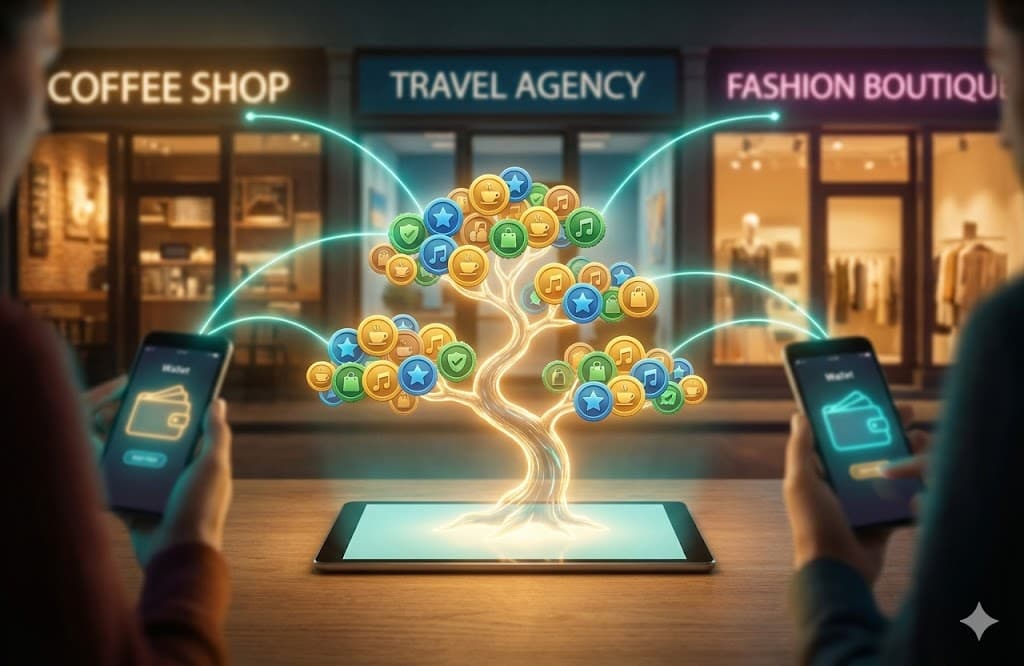
Interoperability: Tokenized loyalty can move across platforms and brands if underlying standards are shared or bridged. A token earned at a retailer could be redeemed at a partner merchant or used in a global rewards marketplace.
Program Participation: Loyalty tokens can be programmatically distributed based on engagement criteria, not just purchases, including social actions, reviews, referrals, or community contributions.
Customer Ownership: Instead of points that exist as internal database entries, tokenized rewards belong to customers in ways that resemble digital property. This reduces churn and increases psychological ownership.
Auditability and Transparency: Distributed ledgers provide an immutable record of issuance and redemption, which can heighten trust and reduce fraud.
The result is a rewards ecosystem that behaves more like a financial asset class, one that customers deeply value and brands actively cultivate.
What Makes Loyalty Tokens Valuable?
For a token to function as an asset class, it needs broad utility, trust, and liquidity. Tokenized loyalty systems should address several key dimensions:
Utility: Customers must be able to use tokens in compelling ways for discounts, exclusive access, partner programs, charitable contributions, or experiential perks.
Portability: Tokens must move across digital wallets and platforms. Interoperability standards such as common token protocols or cross-chain bridges help ensure that value isn’t stranded.
Liquidity: Ideally, tokens can be exchanged or redeemed without friction. Whether through internal marketplaces, partner networks, or even regulated secondary markets, liquidity helps brands cultivate active ecosystems.
Security and Compliance: Token frameworks must respect consumer protection, privacy, and regulatory requirements, especially if tokens resemble financial instruments.
When these elements align, tokens can behave like digital commodities in commerce, earning, holding, and potentially appreciating in value through network effects and utility.
Use Cases Beyond Simple Rewards
The promise of tokenized loyalty extends far beyond traditional point redemption. Consider these potential use cases:
A global retail ecosystem where loyalty tokens earned at your favorite brands can fund travel, access premium events, or unlock partner services.
A community-driven marketplace where token holders vote on product development or exclusive drops.
Cross-platform incentive layers that reward sustainable behavior, such as recycling or shared economy usage.
Gamified commerce experiences where customers earn social reputation tokens alongside traditional loyalty.
These use cases reflect how tokenization can make loyalty fluid, dynamic, and experience-centric, appealing to modern consumers who expect digital rewards to feel meaningful and flexible.
Challenges and Strategic Considerations
Transforming loyalty into an asset class isn’t without obstacles. Platforms must tackle:
Standardization: Without agreed token protocols, isolated solutions risk fragmentation. Cross-platform cooperation and open standards help avoid silos.
Regulation: When loyalty tokens behave like assets, questions arise around taxation, securities law, and consumer protection. Clear legal frameworks are essential for sustainable adoption.
User Experience: Tokenization must feel intuitive. Customers shouldn’t need crypto expertise to earn, hold, or redeem tokens; seamless onboarding and familiar interfaces are critical.
Brand Alignment: Not every loyalty program will benefit from tokenization. Brands must map token utility to strategic goals and audience behavior.
Overcoming these challenges involves cross-industry collaboration, technological abstractions, and thoughtful design, but the potential benefits can redefine customer engagement.
The Future of Commerce Rewards
As digital economies mature, the definition of value continues to expand. Loyalty programs that once served as basic retention tools are evolving into strategic assets that can deepen customer relationships, incentivize behavior, and unlock new revenue streams.
By treating loyalty as a portable asset class, commerce platforms can:
Empower customers with ownership and flexibility.
Create vibrant partner ecosystems that amplify rewards.
Drive deeper engagement through utility-based incentives.
Build new channels for brand differentiation and customer delight.
This coming phase of loyalty anchored in tokenization, interoperability, and user ownership positions rewards as not just earned but meaningfully held.