Alright, settle in, folks, because Ethereum, that sprawling digital metropolis we all pretend to understand, is currently pulling itself in about three dozen different directions, each one more fascinatingly contradictory than the last. It’s a proper circus out there, with Vitalik Buterin, the network’s enigmatic architect, throwing a curveball about AI while BlackRock, the suits of Wall Street, waltz in with a staking offer so lucrative it practically screams "temptation." And somewhere in the background, a "controversial" upgrade whispers promises of forgotten cypherpunk ideals.
It’s enough to give a seasoned observer whiplash.
When Bots Govern and Bankers Stake: A Battle for Ethereum's Soul
Let’s kick things off with Vitalik, because, well, he usually sets the tone, doesn't he? The man’s gone and proposed AI “stewards” to help govern DAOs. Now, I don’t know about you, but when I think "decentralized autonomous organization," the first thing that springs to mind isn't usually Skynet running the show. The idea is to offload some of the tedious, potentially biased human decision-making onto algorithms, bringing efficiency to the often-clunky world of on-chain governance. It's a bold leap, no doubt, a nod to the growing pains of pure, unadulterated human consensus. But also, it’s a question mark hanging heavy over the very notion of human agency within these supposedly community-run structures. Are we just building smarter cages? Or are we, as Buterin often posits, genuinely evolving our systems for a more robust future? It's a conversation starter, if nothing else, and one that promises endless late-night debates in dimly lit crypto forums.
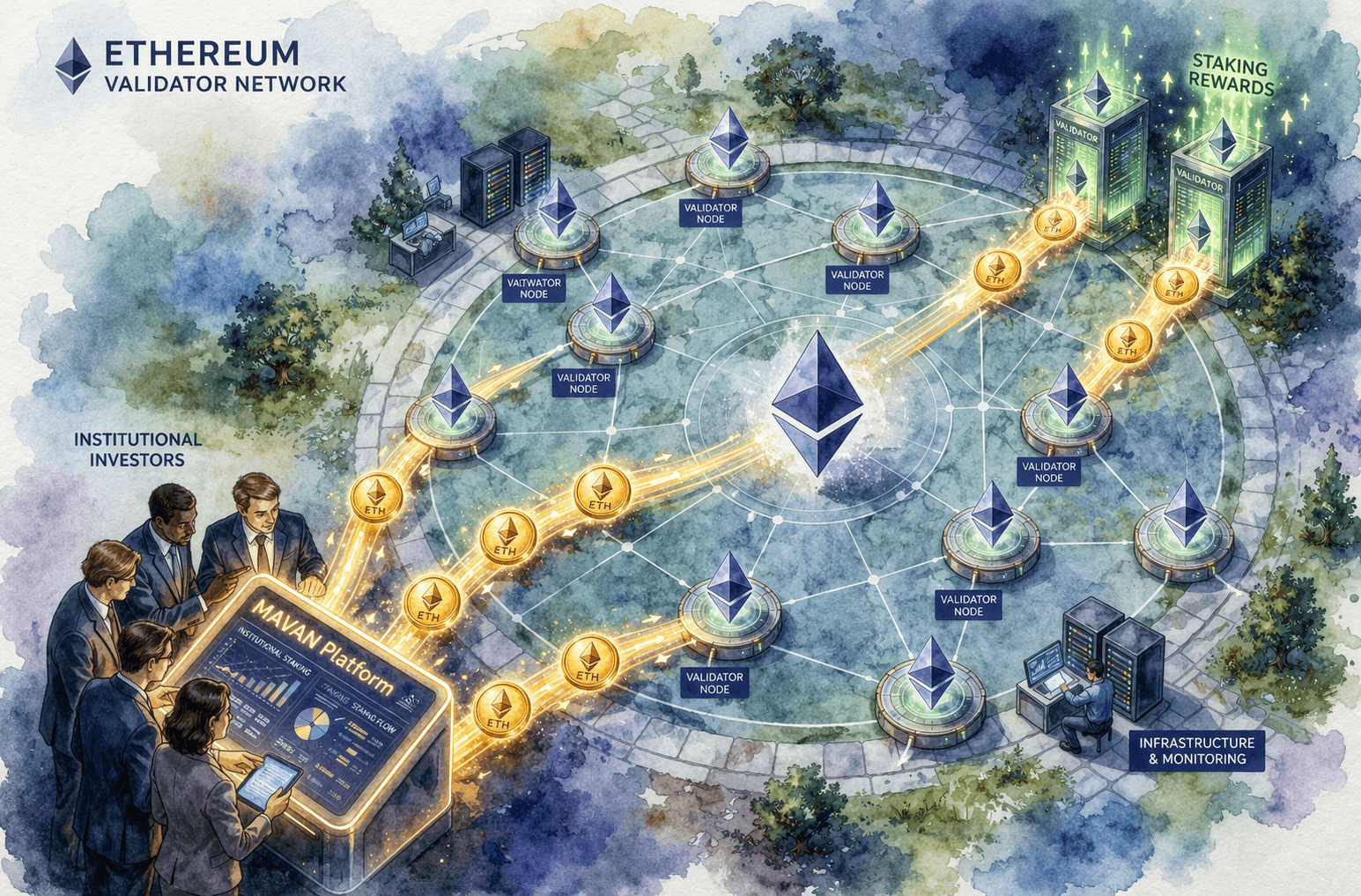
Now, hold that thought about algorithmic overlords, because here comes the cavalry, or perhaps, the Trojan horse: BlackRock. The financial behemoth, ever keen to plant its flag on new frontiers, is reportedly rolling out an Ethereum staking ETF. And not just any ETF, mind you, but one dangling an eye-watering 83% staking reward. Eighty-three percent. Let that sink in.
Let’s be honest, that figure isn’t just an incentive; it’s practically a siren song, a gravitational pull designed to suck up ETH like a digital black hole. BlackRock says it's to "boost adoption," and sure, maybe on paper. But for those of us who’ve been around the block a few times, it smells suspiciously like a massive institutional land grab. What happens to the network's decentralization when a single, monolithic entity controls a significant chunk of staked ETH, all because they can offer ludicrous returns? The whole point of staking was to distribute power, right? This move, while undoubtedly a boon for ETH's price and liquidity (and BlackRock's bottom line), feels like a sharp jab to the network’s foundational principles. It's a commercialization of consensus, pure and simple.
The Cypherpunk’s Lament and the Looming Upgrade
Adding another layer to this already thick stew is the whisper of a "controversial upgrade" slated for later this year. The details are still hazy, but the buzz suggests it's meant to reinforce Ethereum's "cypherpunk principles." That’s a lovely thought, isn't it? A wistful nod to the good old days when decentralization was more than just a marketing slogan.
But here’s the kicker: how do you reconcile reinforcing cypherpunk principles – principles of privacy, autonomy, and resistance to central control – with BlackRock's aggressive institutionalization and Vitalik's flirtation with AI stewards? It’s like trying to square a circle. Is Ethereum trying to be all things to all people? A playground for anarchist coders, a casino for global finance, and a sandbox for sentient algorithms, all at once?
Perhaps this is just the messy, awkward adolescence of a global protocol. Or perhaps, it’s a slow-motion identity crisis playing out in real-time. The institutional money is pouring in, the governance models are getting wilder, and the ghost of cypherpunk past just watches, probably shaking its digital head. Ethereum is evolving, no doubt. The question is, into what? And at what cost to the ideals it was supposedly built upon? The game, as always, is afoot.